Wales Antisemitism: 2,044 Jews Face Rising Tensions
Dyfed-Powys Police reported a 42% jump in anti-Jewish crimes in 2025, while national data shows 25 incidents across the nation.
By Lucia Navarro ·
Dyfed-Powys Police recorded 17 crimes classified as anti-Jewish in 2025, a rise of roughly 42% from the 12 incidents logged in 2024. This specific policing area data highlights a sharp increase in local hostility, even as the Jewish population in Wales remains small. Professor Nathan Abrams, a Bangor University expert on Welsh Jewry, stated that the lack of a large Jewish community has not led to a lack of prejudice.
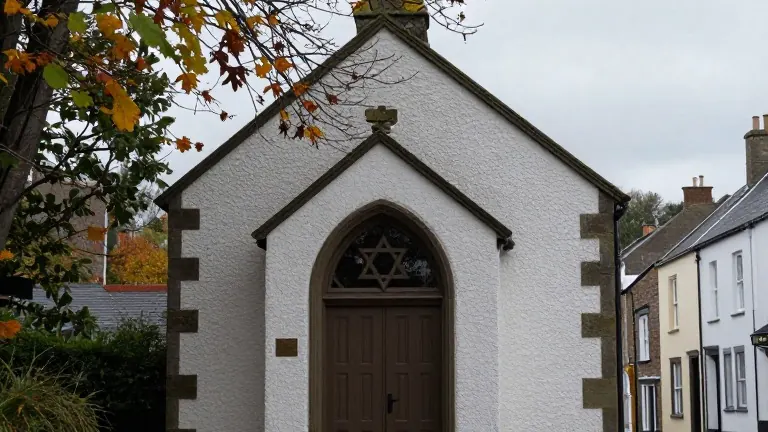
The 2021 UK Census identified 2,044 residents in Wales as Jewish by religion. This group represents approximately 0.07% of the nation's total population of 3.1 million. Most of these residents live in Cardiff, which hosts one Reform and one Orthodox synagogue. A Chabad synagogue also serves the community in Llandudno, while smaller groups exist in other cities.
National statistics from Welsh policing show 6,157 hate crimes recorded between April 2025 and March 2026. Of these, 325 were motivated by religion, down from 451 in the previous period. The UK Community Security Trust separately tracked 25 antisemitic incidents in Wales during calendar year 2025. These included 13 in North Wales, 8 in South Wales, 2 in Dyfed-Powys, and 2 in Gwent.
Abrams, who has lived in Wales for twenty years and speaks the language fluently, notes that antisemitism often manifests through social media and public demonstrations. He described this as ambient antisemitism, where actions like tearing down posters create a hostile environment without necessarily involving physical attacks. He linked these attitudes to the political stance of Plaid Cymru, the left-leaning Welsh nationalist party, which has called for harsh sanctions against Israel.
The Welsh Local Government Association recently met with Jewish community representatives to discuss the growing anxiety among residents. Representatives reported routine verbal abuse and concerns about children in schools. Many Jews are changing their behavior to avoid identifying themselves in public. The South Wales Jewish Representative Council described the community as long-established and deeply rooted, but noted that the recent rise in antisemitism has left many people shaken.
Abrams observes a class divide in how antisemitism is expressed. He stated that working-class residents often dislike the demonstrators, while middle-class protesters may unknowingly repeat age-old tropes. He argued that Welsh society's politeness often keeps this prejudice hidden from those directly affected. The professor concluded that the complexity of Jewishness is still reduced to the Middle East conflict, a perspective that has persisted for 1,600 years.
Source: The Jerusalem Post